 Русский
 Հայերեն
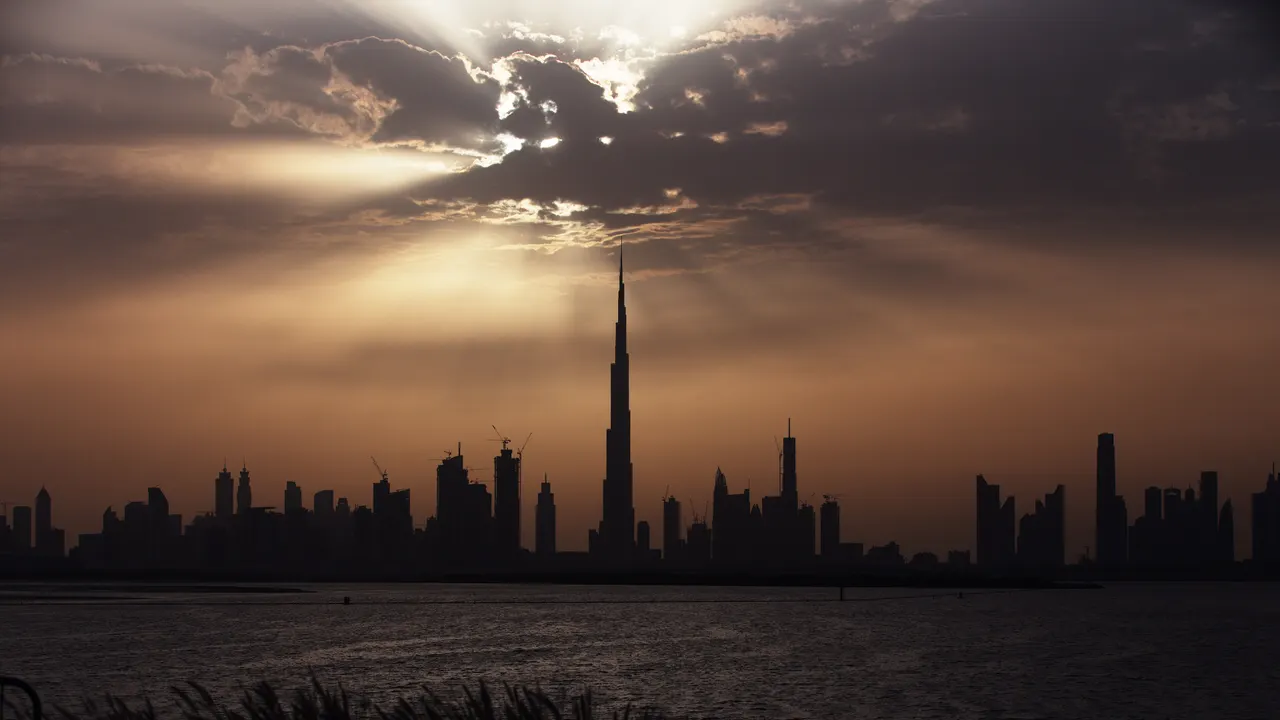
If you’re flying to the UAE for the first time and wondering what to see in Dubai in 3 days, don’t try to cover the whole emirate. Dubai is big, hot, and expensive in places, so the best plan is to build your route by neighborhood, avoid zigzagging around by taxi, and understand in advance where you can save money without losing the experience.
Below is a relaxed first-time itinerary: Burj Khalifa and the fountains, Old Dubai with its markets, the Museum of the Future, Palm Jumeirah, Dubai Marina, and JBR Beach. It works well if you’re staying near the metro or are ready to use taxis only for short, targeted rides.
Before you start: where to stay and how not to overpay
For a three-day route, it’s more convenient to choose a hotel near the metro. The most practical areas are Deira, Bur Dubai, Al Barsha, Business Bay, Downtown, and Dubai Marina. Downtown is beautiful, but usually more expensive. Deira and Bur Dubai are easier on the budget and good for the old city, but the beaches take longer to reach.
If you want to balance price and logistics, look at hotels along the Red Line of the metro: there are many stations, and it’s convenient for getting to Downtown, Dubai Marina, and DXB airport. For a beach mood, JBR or Dubai Marina are better, but accommodation there is often noticeably more expensive.
Before your trip, check three things:
- whether the hotel has a free shuttle to the beach or metro;
- whether the tourism fee is included in the final accommodation price: the Tourism Dirham is charged per room per night, and the amount depends on the hotel category, roughly from 7 to 20 AED;
- whether you need a type G plug adapter — there’s more detail in the article about power outlets abroad.
For maps, taxis, translating menus, and staying in touch with your guide, it’s easier to set up mobile internet in advance: you can look at a tourist eSIM for the UAE, and if you’re not sure about your phone, check your model using the guide on how to check eSIM support.
It’s best to keep your spending expectations flexible: Dubai can be both moderate and very expensive. The metro, free waterfronts, fountains, historic neighborhoods, and supermarkets like Carrefour, Lulu, and Spinneys instead of cafés in touristy areas all help you save.
| Expense | How to save | Rough guide |
|---|---|---|
| Transport | Nol card, metro, walking connections within neighborhoods | A metro ride with Silver Nol costs around 3–7.5 AED depending on the number of zones |
| Observation decks | Buy tickets in advance, choose non-peak times | Burj Khalifa At The Top (floors 124–125): around 160–260 AED, more expensive in the evening |
| Food | Food courts, Indian and Lebanese cafés in Deira and Bur Dubai | A simple lunch there is usually cheaper than in Downtown |
| Taxi | Use it for short segments, compare Careem and Uber | The price depends on the time of day, area, and booking method |
| Beach | JBR, Kite Beach, public areas | Public beaches are free to enter; loungers and activities cost extra |
Day one: Downtown, Burj Khalifa, Dubai Mall, and the fountains
It’s best to save the first day for Downtown. This is where you’ll find Burj Khalifa, Dubai Mall, Dubai Fountain, and great views of modern Dubai. The area is convenient because almost everything is close together, but distances inside it are huge: from the metro station to the mall, you’ll walk through a long covered walkway, so allow time and wear comfortable shoes.
Start with Dubai Mall. Even if you don’t plan to shop, it’s a convenient starting point: air-conditioning, cafés, food courts, restrooms, exchange offices, supermarkets, and signs to the main sights. For free, you can see the huge aquarium from the outside, the waterfall with diver figures, luxury storefronts, and views of Burj Khalifa from the promenade.
Burj Khalifa is worth including if you specifically want an observation deck. It’s better to buy tickets in advance on the official website or at the ticket office, but compare prices: they depend on the deck level and visiting time, and resellers can be both above and below the official price. The most popular time is before sunset, but it is usually more expensive and more crowded. A more budget-friendly option is to come during the day or simply enjoy the tower from outside. Photos from the waterfront by the fountains turn out better than many people expect.
In the evening, stay by Dubai Fountain. The fountain show is free, making it one of the best stops on a no-overspending itinerary. There are lots of people, especially by the railings opposite Burj Khalifa. If you want a calmer spot, walk a little farther along the waterfront or go up to one of the open levels of Dubai Mall, where the view may be less straight-on but the crowd is smaller.
For dinner, you don’t have to sit down at a restaurant with a fountain view: you almost always pay extra for the view. It’s more practical to eat at the Dubai Mall food court or take the metro back to the area where you’re staying. If you still have energy, you can walk through Souk Al Bahar, a stylized market next to the fountains with free entry.
Day two: Al Fahidi, the Creek, abra, markets, and the Museum of the Future
The second day is perfect for Old Dubai. Start in the morning while it’s not too hot. Go to Al Fahidi Historical Neighbourhood: a district of narrow lanes, wind towers, small galleries, and cafés. It’s pleasant to simply wander here without a strict plan. The atmosphere is very different from glassy Downtown, and this is where it’s easier to feel what the city was like before the skyscrapers.
Nearby is Dubai Creek, the inlet around which trade developed. The most atmospheric way to cross the water is by a traditional abra boat. The ride is short but memorable: a wooden boat, seagulls, old docks, and views of Deira and Bur Dubai. The price is symbolic: the classic crossing costs around 1 AED, paid in cash to the boatman, so keep small coins and bills with you.
On the Deira side, stop by the Gold Souk and Spice Souk. At the gold market, you can treat the display windows like a museum: you don’t have to buy anything. At the spice market, bargain gently and calmly. If you’re not planning to buy, it’s better to say right away, “just looking.” For souvenirs, consider saffron, dates, cardamom, and spice blends, but compare prices in several shops and supermarkets.
After lunch, you can head to the Museum of the Future. The building is impressive even from the outside, and that’s free: many people come just to see the architecture and take photos by Emirates Towers metro station. If you want to go inside, check tickets in advance: they are sold for a specific date and time, an adult ticket costs around 149 AED, and in high season popular time slots sell out several days ahead. The exhibition is more about future ideas, technology, and visual experience than a classic museum with display cases.
If your budget is tight, leave the museum as an outside-only stop. Then the day will be almost free: Al Fahidi, a walk along the Creek, the markets, and photos by the Museum of the Future. Your main paid costs will be transport, food, and the abra.
Day three: Palm Jumeirah, Dubai Marina, and JBR Beach
Make the third day more relaxed: Palm Jumeirah, Dubai Marina, and JBR pair well together if you don’t try to go into every paid attraction.
You can get to the Palm by Palm Monorail, taxi, or a combination of metro, tram, and monorail. The monorail is convenient for the view, but it costs more than regular city transport: a trip across the full line costs around 20 AED one way. Sources differ on whether Nol is accepted, so be ready to buy a separate ticket. If you want to save money, you can get to the start of the Palm and then choose one point, for example the Atlantis The Palm area for exterior views, The Pointe, or the waterfronts. Keep in mind: the Palm is large, and “just walking around” it is not as convenient as it looks on the map.
For a beautiful view of the Palm, many people choose paid observation decks, such as The View at The Palm. It’s a good option if you want to see the shape of the island from above, but you can skip it on a budget route. There are also views of the water, hotels, and skyline from public areas.
Next, move on to Dubai Marina. The free program here is simple and pleasant: a walk along Marina Walk, bridges, yachts, skyscrapers, and takeaway coffee. Toward evening, the area looks especially beautiful when the lights come on. You can walk to JBR Walk and JBR Beach. The beach itself is good for swimming, strolling, and sunset, but loungers, umbrellas, water activities, and some shower areas may be paid, and conditions vary by section.
If you want dinner without overpaying, don’t sit down at the first café on the first line. JBR and Marina have plenty of places with beautiful views, but the bill is often higher there. Look for cafés in side passages, food courts in malls, or takeaway spots. For an after-dinner walk, the route from JBR to Bluewaters Island works well, with views of the Ain Dubai wheel. The wheel itself has closed several times in recent years, so if you want to ride it, check the status on the official Ain Dubai website before your trip.
Transport, dress code, heat, and free places
From DXB airport, the easiest way into the city is by metro if you arrive during its operating hours and are staying near a station. The Red Line has stations at DXB Terminal 1 and Terminal 3. If you arrive at night, have a lot of luggage, or your hotel is far from the metro, it’s easier to take an official taxi outside the terminal or order Careem/Uber. Airport taxis have a higher starting fare than city taxis: around 20–25 AED versus about 5 AED when hailing one on the street.
For public transport, you need a Nol card. It works on the metro, tram, buses, and some water transport. For tourists, Silver Nol is usually enough: the card costs around 25 AED, with about 19 AED already loaded on the balance, and you need at least 7.5 AED on the card to enter the metro. The metro is clean, easy to understand, and has signs in English. The train cars have separate zones: Gold Class and sections for women and children; you can be fined for riding in the wrong zone, so watch the markings on the floor.
Taxis in Dubai are a useful tool if you use them for short trips: from the metro to the beach, to your hotel at night, or during intense heat. Careem is often convenient because it shows the price before the ride; Uber also works, but it isn’t always cheaper. During rush hour, roads in Downtown, Marina, and near malls can get jammed, so the metro is sometimes faster.
Dubai’s dress code is more relaxed than many people expect, but respectful clothing helps you feel comfortable. In malls, museums, old neighborhoods, and government offices, it’s better to cover shoulders and knees. A swimsuit is appropriate on the sand and by the pool, but not for walking around a shopping mall. In mosques and religious places, the requirements are stricter, and each site has its own rules.
Heat has a big impact on the route. The most pleasant months for walking are usually in the cooler season, roughly from November to March. In summer, daytime walks are tough: temperatures often rise above 40 degrees. During the hot season, plan outdoor time for morning and evening, and give the middle of the day to malls, museums, the metro, and rest.
What you can see for free or almost free:
- the fountain show by Dubai Mall;
- the waterfront by Burj Khalifa and the outside of Souk Al Bahar;
- Al Fahidi district;
- Dubai Creek and the Deira markets;
- a walk along Dubai Marina Walk;
- JBR Beach without renting loungers;
- the exterior of the Museum of the Future;
- Bluewaters Island and views of Marina.
If you have a free day after Dubai, take a look at the separate route Abu Dhabi in one day from Dubai: it’s convenient to go there for the Sheikh Zayed Mosque and Louvre Abu Dhabi, but it’s better not to squeeze this trip into your first three days.
Frequently asked questions
Is it realistic to see Dubai in three days without a car?
Yes, if you stay near the metro and plan your days by neighborhood. Downtown, Old Dubai, the Museum of the Future, Dubai Marina, and JBR fit together well with the metro, tram, abra, and short taxi rides. In the center, a car often doesn’t save time because of parking and traffic.
Is it worth going up Burj Khalifa?
It is if the observation deck and the view from above are important to you. If your budget is limited, you can comfortably skip the ascent: views of the tower, fountains, and Downtown from the ground are free and very impressive. It’s better to spend money on what truly interests you.
Where is the best place to exchange money in Dubai?
Tourists usually compare exchange offices in malls, Deira, and Bur Dubai. At the airport, the rate may be less favorable, so it’s better to exchange only a small amount there for your first expenses. Cash dirhams are useful for small expenses, especially at markets and for the abra ride.
Can you swim at JBR in the evening?
JBR is most pleasant closer to sunset, when the heat eases. Swimming depends on the rules of the specific section, the weather, and warning flags. After sunset, you can swim only where it is explicitly allowed and lifeguards are present. Check the signs on the beach and don’t leave your belongings unattended.