
 Русский
 Հայերեն
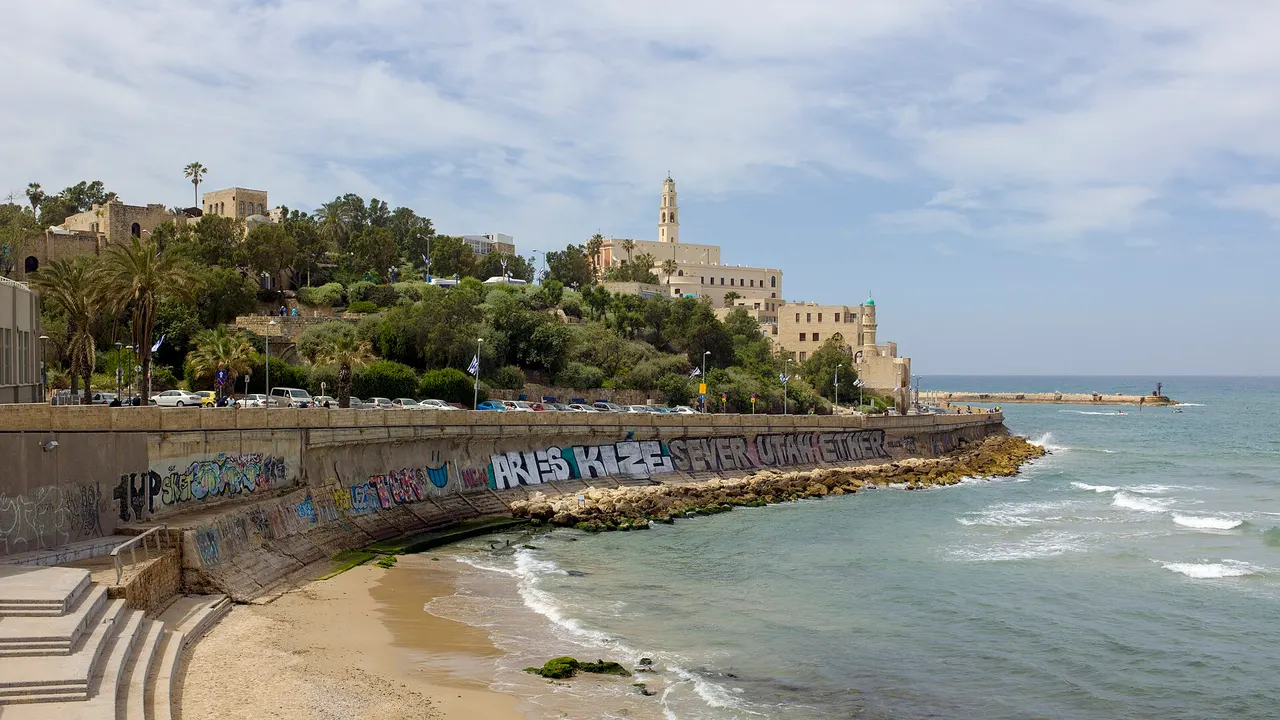
Israel means Tel Aviv by the sea, the Old City of Jerusalem, the Dead Sea, and pilgrimage routes. You will need internet for navigation, taxis through Gett, translating signs, and staying in touch with home. Let’s look at how to get connected affordably and without waiting in lines.
Operators and coverage in Israel
The main operators are Cellcom, Partner, Pelephone, and Hot Mobile. In Tel Aviv, Jerusalem, Haifa, and along the coast, 4G coverage is good, with 5G in some places. In the Negev Desert and around the Dead Sea, service holds on the main roads and near towns.
Roaming with your own operator
Roaming is the route with no extra steps: you turn on data and keep your own number. But mobile internet in Israel on roaming from Russian operators is more expensive than local service, and on trips to Jerusalem and the Dead Sea with navigation running, the bill grows. After you land, your phone catches up on updates and uploads photos to the cloud, and the money disappears without you noticing. Before you fly, check your operator’s app for the cost of a day of internet and what happens after the package runs out. Roaming is handy as a backup channel for the first few hours after you clear security at Ben Gurion, while an Israeli network via eSIM can be your main internet.
Physical SIM or eSIM
Israeli SIM cards are sold at Ben Gurion Airport and in mobile stores. The downsides are the usual ones: a line, registration with a passport, removing your own card, and missed bank SMS messages if your phone has only one slot. Also keep in mind that Ben Gurion Airport is known for its thorough security checks, so spending more time at an operator’s counter afterward is not always convenient.
eSIM is an embedded SIM card that you activate with a QR code. For travelers from Russia, its advantages are:
- you buy it in advance, at home, with payment by Mir card or via SBP;
- the QR code arrives by email right after payment;
- internet works from the first minutes after landing;
- your Russian number stays in the phone, so bank SMS messages arrive;
- you do not need a passport or a trip to a mobile store.
If the technology is new to you, here is a simple explanation of what an eSIM is.
Comparison: roaming, local SIM, and eSIM
| Roaming | Local SIM (Cellcom, Partner, Pelephone) | eSIM | |
|---|---|---|---|
| Where to get it | nothing needed | airport, mobile store | online before the trip |
| Internet after arrival | immediately, but expensive | after registration | immediately |
| Passport | not needed | needed | not needed |
| Your own number and bank SMS | yes | only with two SIM slots | yes |
| Payment from Russia | through your own operator’s bill | on the spot | by Mir card or via SBP |
| Best for | 1–2 days | a long trip with a local number | a 3–30 day vacation |
How to install an eSIM with a QR code
Install the profile at home over Wi-Fi.
iPhone: Settings → Cellular → Add eSIM → Use QR Code.
Android: Settings → Connections → SIM Manager → Add eSIM → scan the code from the email.
After you land, turn on the eSIM line for mobile data and enable data roaming for it. There will be no extra charges, the package is already paid for. Turn off data on your primary SIM. More details: how to avoid roaming charges abroad.
Which phones support eSIM
eSIM works on iPhone XS and newer, Google Pixel 3 and newer, flagship and many mid-range Samsung Galaxy models, and other modern smartphones; the phone must not be locked to an operator. Check your model here: does your phone support eSIM.
How much data to take to Israel
- a city break in Tel Aviv with Wi-Fi at the hotel — about 3 GB for a week;
- trips around the country, Jerusalem, the Dead Sea, navigation, and photos — 5–10 GB.
At the hotel, Wi-Fi helps, while on trips around the country, data goes to navigation. What exactly your package goes toward:
- navigation and maps — about 5–15 MB per hour;
- messengers and text-based social media — 100–300 MB per day;
- camera translation — 1–5 MB per photo;
- photos and videos to the cloud — use up the package fastest;
- video calls and short videos — 300–600 MB per hour and more.
The main tip is to turn off automatic photo uploads to the cloud over mobile data: then your package lasts noticeably longer.
What to do if you run out of data
You do not need to buy a new eSIM: data can be topped up on the same card on your eSIM24 page or in your personal account, with payment by Mir card or via SBP.
Frequently asked questions
Does eSIM work all over Israel?
eSIM uses local operators’ networks, and coverage in cities and on the main roads is good. In the Negev Desert and around the Dead Sea, the signal can weaken away from the highways.
Can I pay for an eSIM with a Mir card?
Yes, in eSIM24, payment works by Mir card or via SBP.
Is eSIM convenient after clearing security at Ben Gurion?
Yes, the internet is already working by the time you leave the airport, so you do not need to look for an operator’s counter and stand in line.
Do I need an Israeli phone number?
Usually, tourists do not: eSIM gives you internet, calls go through messengers, and bank SMS messages arrive on your Russian number.
Bottom line
For a trip to Israel, eSIM is convenient because it is ready before departure and can be paid for with a Russian card, so you are online right after airport security. A local SIM works for a long stay, while roaming is best kept as a backup.
Plans and prices are on the eSIM for Israel page.