
 Русский
 Հայերեն
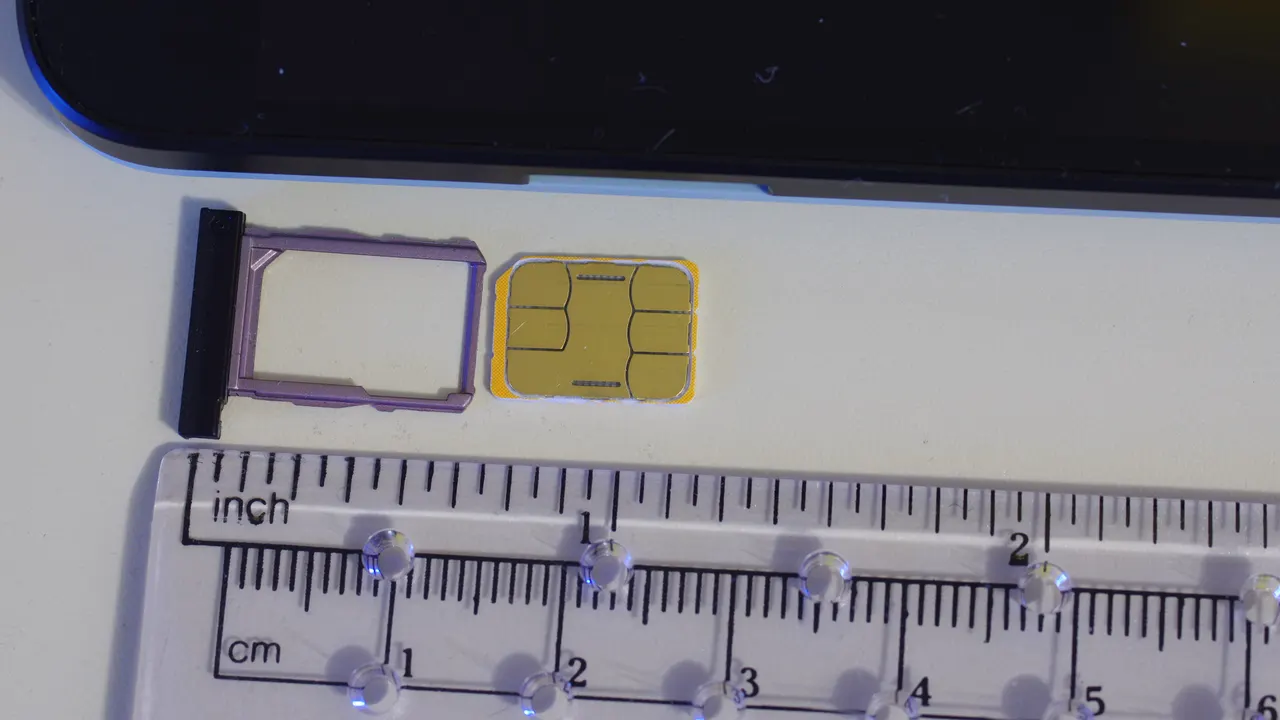
If you’ve ever bought a SIM card at an airport in another country, you probably remember the line, your passport, a confusing plan, and that tiny paper clip you need to open the SIM tray. eSIM removes all of that: you can buy a “SIM” at home in a couple of minutes and activate it by scanning a QR code.
Let’s look at what this technology is, how it works, and when it really is a better deal than a regular SIM card.
What is eSIM
eSIM (embedded SIM) is a chip inside your smartphone that does the same job as a plastic SIM card. The difference is that the carrier’s data is not “written” onto plastic, but downloaded to the chip as a digital profile.
Put simply, your phone already has a SIM card inside it — it’s just empty. When you buy a plan, the carrier sends you a profile, and your phone writes it to this chip. No trays, paper clips, or deliveries.
People call eSIM different things: “eSIM,” “electronic SIM,” “virtual SIM.” They all mean the same thing.
How eSIM works: from purchase to internet
The whole process takes just a few steps:
- Purchase. You choose a country and a data package on the website and pay for it.
- QR code. Right after payment, a QR code and instructions arrive by email.
- Installation. In your phone settings, select “Add eSIM” and scan the code. The profile downloads in about a minute.
- Turning it on during your trip. After arrival, turn on the eSIM line, choose it for mobile data, and enable data roaming for it.
After that, your phone connects to a local carrier’s network, and the internet works just like it does for people living in that country.
It’s best to install your eSIM in advance, at home: you need internet to download the profile. The package validity period usually starts not when you buy it, but when it first connects to the network in the country you’re visiting.
How eSIM is different from a regular SIM card
| Regular SIM | eSIM | |
|---|---|---|
| How to get it | In a store, at the airport, by mail | Online, QR code by email |
| How long you wait | From an hour to several days | A few minutes |
| Documents | A passport is often required | Usually not required |
| Can you lose it | Yes, it’s a piece of plastic | No, the profile is inside the phone |
| How many you can keep in your phone | 1–2 cards | Usually several profiles, with 1–2 active |
| Changing plans | A new card | A new profile in a minute |
The main practical advantage is that your primary SIM card stays in your phone. Your number keeps working: bank SMS messages, verification codes, and calls still come through. And mobile data runs through the eSIM at local prices.
Why you need eSIM when traveling
For travelers, eSIM solves several problems at once:
- No expensive roaming. A travel eSIM package is usually many times cheaper than roaming from a Russian mobile operator.
- Internet as soon as you land. You can call a taxi, open a map, and message your family before you even leave the airport.
- No need to look for a mobile store or figure out local plans in a foreign language.
- Your number stays yours. Bank SMS messages arrive as usual.
- One eSIM for several trips. You can store several profiles on your phone and switch between them.
It’s important to understand: most travel eSIMs, including eSIM24 plans, are data only. They do not include a local number for calls and SMS. You can make calls through messengers — they use the same data.
Which phones support eSIM
eSIM support is available in almost all smartphones from recent years: iPhone starting with XS and XR, Samsung Galaxy flagships starting with S20, Google Pixel, and some Xiaomi, Honor, Huawei, and other models.
The fastest way to check your phone is to dial *#06#. If you see an EID line on the screen, eSIM is supported. For more about checking and potential pitfalls, such as carrier-locked phones, see the article “How to check if your phone supports eSIM”.
Is eSIM safe?
Yes. eSIM is a GSMA standard, developed by the same association that creates standards for regular SIM cards. The profile is encrypted, it cannot be copied to another device, and if your phone is lost, someone cannot pull out the “SIM” and put it into their own device.
You can delete an eSIM profile at any time in your cellular settings. Just keep in mind that a deleted profile usually cannot be installed again, so don’t delete the eSIM until the package has run out.
Frequently asked questions
Can I use eSIM and a regular SIM at the same time?
Yes, this is the main travel scenario. Your regular SIM handles calls and SMS, while the eSIM handles mobile internet. In settings, you simply choose which line is used for data.
Do I need to turn on roaming?
For the eSIM line, yes: the profile works on local carriers’ networks, and the internet will not appear without data roaming. This does not cause extra charges, because the package is already paid for. But it’s better to turn off data roaming on your primary SIM so your phone does not accidentally use internet from it.
What happens when the data runs out?
The internet on the eSIM simply stops working — no debt and no automatic charges. You can buy a new package and install it the same way, by QR code.
Bottom line
eSIM is the same SIM card, just without the plastic: you buy it online, install it by QR code, and turn it on when you arrive. For trips, it’s the easiest way to get internet at a local price while still staying reachable on your own number.
Choose your destination country in the eSIM24 catalog — the QR code will arrive by email right after payment.