 Русский
 Հայերեն
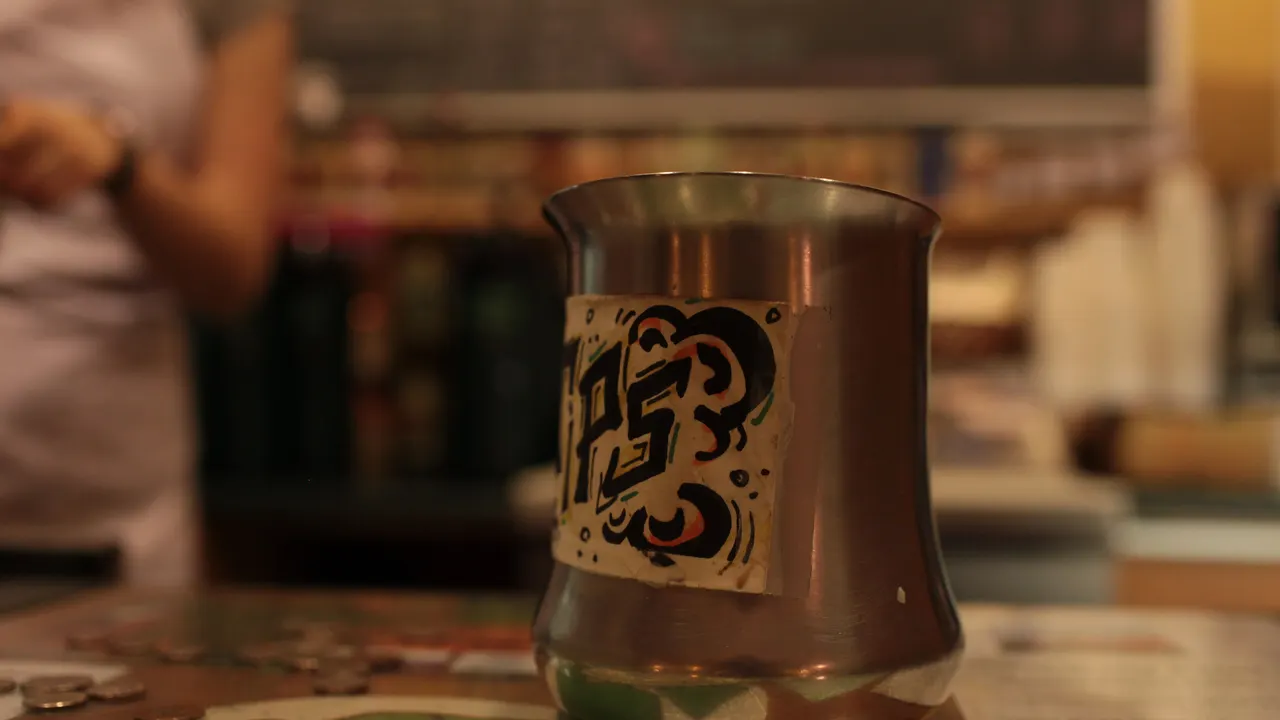
How to think about tipping abroad
The main question before a trip usually sounds something like this: how much should you tip in Turkey, and what should you do in Egypt, the UAE, Thailand, and other popular countries? There is no universal rule: in some places, tips are expected for almost every service; in others, they are a nice bonus; and in some countries, they can put the person in an awkward position.
The safest approach is this: first look at the bill, then at the type of place, and then at the quality of service. Expectations are different in a hotel restaurant and in a local snack bar. A private guide and a transfer driver are different situations too: the guide spends half a day with you, while the driver simply takes you to the airport.
There is one more thing: a service charge is not always the same as a tip. On the menu or bill, it may be called service charge, servis ücreti, service fee, cover charge, kuver, or something similar. Sometimes this is a fee paid to the establishment, sometimes it is distributed among staff, and sometimes it is hard for a tourist to understand where the money went. So if a charge is already included, you can add nothing or simply round up if you liked the service.
Below you will find a practical table by country and details for the most common situations: restaurant, housekeeper, guide, driver, porter, taxi, and spa. All amounts below are not law, but typical tourist practice. Where exact rules may change or depend on the place, I note that separately.
Table: how much to leave in restaurants, hotels, taxis, and spas
For convenience, let’s compare countries often visited by tourists from Russia and the CIS. If you are not sure, it is better to give a little less, but with a smile and directly into the person’s hand, than to try to guess the perfect amount.
| Country | Restaurant | Housekeeper | Guide | Driver, taxi | Porter | Spa and massage |
|---|---|---|---|---|---|---|
| Turkey | Usually 5-10% | 50-100 lira per day | About 10% of the tour cost | Round up in taxis | 50-100 lira per suitcase | In a hammam, optional, about 10-20% |
| Egypt | On top of the bill charge, 5-10% if you wish | 20-100 EGP per day | 100-400 EGP for a day | For an excursion driver, 50-200 EGP for a day; in taxis, round up | 20-50 EGP per bag | 10-15% |
| UAE | 10-15% if there is no service charge | 5-20 AED per day | 20-50 AED per person on safaris and excursions | Round up in taxis | 5-10 AED per bag, more in expensive hotels | 10-15% |
| Thailand | Rounding up or 5-10% if there is no service charge | 20-50 THB per day | 100-200 THB per person for a day | Round up in taxis | 20-50 THB per bag | 50-100 THB for an hour of massage |
| Georgia | About 10% if there is no service charge | 5-10 GEL per day | 20-50 GEL per person or about 10% of the tour cost | Round up in taxis; not needed in apps | 2-5 GEL per bag | Optional |
| Vietnam | Rounding up or 5-10% if there is no charge | 20,000-50,000 VND per day | 100,000-200,000 VND for a day | Round up in taxis | 10,000-50,000 VND per bag | Optional, directly to the therapist |
| China | Tips are usually not expected | Usually not needed | Private guides sometimes accept them, but it is not required | Usually not needed | Optional in expensive hotels | Usually not needed |
Amounts in lira go out of date faster than the others because of inflation, so check them against the current exchange rate before your trip.
If the bill already includes a service charge, don’t be shy about asking: Is service included? In tourist areas, staff usually understand this phrase. In small cafés, it is easier to look at the final total: if the amount is already noticeably higher than the menu prices because of added charges, an extra thank-you is not required.
Turkey, Egypt, the UAE, and Thailand: country details
Turkey
In Turkey, tips are called bahşiş. In the tourist areas of Istanbul, Antalya, Alanya, Bodrum, and Cappadocia, they are generally expected more often than in ordinary cafés for locals. To answer the question of how much to tip in Turkey briefly: in restaurants, people usually leave 5-10%; in expensive places, up to 10-15%.
There is an update about bills in Turkey. At the beginning of 2026, the Ministry of Trade banned restaurants and cafés from automatically adding servis ücreti, kuver, and other charges to the bill if they are not listed on the menu. In practice, these lines still appear. If you see one, calmly ask for it to be removed or explained, and leave a tip separately if you want to.
In lokantas, tea houses, and simple food spots, you can just round up the amount. In restaurants near the Galata Tower, in Sultanahmet, or along resort waterfronts, expectations are higher. When paying by card, it is better to ask whether you can add a tip on the terminal, but it is more reliable to leave a little cash: that way there is a better chance the money will reach the waiter.
In a hotel, it is convenient to leave small lira notes or dollars in a visible place with a short thank you note. For a porter, hammam, massage, and transfer, small amounts in local currency or dollars work well. If you plan to move around Istanbul a lot, check the route Istanbul in 3 days in advance: it makes it easier to understand where you will need taxis, tours, and cash.
For maps, taxis, translation, and staying in touch with your guide, it is better to plan your internet access in advance: a tourist eSIM for Turkey is available on the page /strana/turkey, and you can read separately about how to choose connectivity without overspending in the article Internet in Turkey for tourists.
Egypt
In Egypt, tipping culture is more noticeable than in many countries. Tourists hear the word baksheesh in hotels, on excursions, at the pyramids, on Nile cruises, and at beach resorts. Small tips may be expected for cleaning, carrying luggage, help on a boat, photos, or escorting you to the right place.
In restaurants in Hurghada, Sharm el-Sheikh, and Cairo, the bill often already includes tax and a service charge: usually about 12%, sometimes 10-15%. This does not always mean the waiter received a tip. If the service was good, tourists often leave a small amount on top. For the housekeeper, it is better to give small bills regularly rather than one amount at the end: that makes it clearer who exactly you are thanking.
Egyptian pounds are the most convenient currency, but small dollars (1, 5, 10) are usually accepted in hotels and on excursions. It is better not to give euro or dollar coins: they are hard to exchange. If you are going for the first time, it is useful to sort out cash in advance in the article What money to take to Egypt.
UAE
In Dubai and Abu Dhabi, tipping is not as persistent as in Egypt, but it is common in restaurants, hotels, and taxis. Hotel and shopping mall restaurants often have a service charge, usually up to 10%. It does not always reach the waiter. If it is included, any extra amount is up to you.
In taxis, you can round the fare up to a convenient amount. A private driver who waited for you for several hours or helped with the route is usually given more than the driver of a short ride. In a hotel, it is better to tip porters and housekeeping in dirhams. Dollars may not be accepted everywhere in the UAE, and small dirham notes are more convenient for everyday situations.
If you are planning to combine restaurants, beaches, malls, and observation decks, the route Dubai in 3 days will come in handy: it makes it easy to estimate how much small cash to keep with you for taxis and service.
Thailand
In Thailand, tips are not required at street food stalls, markets, or small family cafés. A smile and rounding up the amount is enough there. In hotels, spas, massage salons, and restaurants in Phuket, Samui, Pattaya, and Bangkok, tips are more customary.
Bills in tourist restaurants may include a service charge, usually 10%, especially in hotels and expensive restaurants. If it has already been added, you can leave nothing extra or give a small amount to a specific waiter. In a massage salon, it is better to hand the tip to the therapist personally, especially if you were happy with the treatment.
It is better to give Thai baht. Dollars are inconvenient in everyday situations: staff will have to exchange them, and small bills may be accepted at a poor rate or not accepted at all.
Currency, service charge, and etiquette
The best option almost everywhere is local currency in small bills. Dollars are appropriate in Egypt, sometimes in Turkey at resorts and on international excursions, but local money is usually more convenient. A bank card is good for the bill, but not always for tips: the terminal may not allow you to add an amount, and added tips may go into the establishment’s general revenue.
A few simple rules work in almost any country:
- keep a separate supply of small bills for the hotel, taxis, and excursions;
- do not tip in advance unless it is a clear local practice;
- thank people personally, especially the housekeeper, guide, massage therapist, and driver;
- do not show large bills in a line, at a market, or near attractions;
- if the service was bad, you are not obligated to pay extra;
- if the bill is unclear, calmly ask for the charges to be explained.
Look for the service charge at the bottom of the bill. In Turkey, you may see servis ücreti or kuver. Kuver is a charge for table setting, bread, water, or snacks brought without an order; from 2026, both charges cannot be included in the bill without an order. In the UAE and Thailand, service charge is written more often. In Georgia and Vietnam, tourist places may also add a percentage for service. In Georgia, it is usually 10-18%, and the amount depends on the establishment.
Do not confuse tipping with bargaining. At a market, you can negotiate the price down, while in a restaurant or with a guide, a tip is a thank-you after the service. And do not feel obligated to pay everyone around you. If someone simply pointed you in a direction or came up to help without being asked, you have the right to politely refuse.
Where tipping is almost not customary: China and Japan
In China, tips are usually not expected in ordinary restaurants, taxis, mid-range hotels, and everyday services. Sometimes an employee may refuse or not understand why you are giving money on top of the bill. Exceptions can be found in international hotels, with private guides, on individual tours for foreigners, and in expensive spas. In restaurants at international hotels, a service charge is sometimes already added to the bill. Practice depends on the city and service format. If you are not sure, do not insist on giving money and follow how locals behave.
In Japan, tips are not the norm either. Polite service there is considered part of the job, and trying to leave money can look strange. Sometimes a waiter will run after a tourist in the street to return the 'forgotten' money. If you really want to say thank you, it is better to write a review, buy a small souvenir in an appropriate situation, or simply say thanks. Expensive ryokans and private services may have special rules, but for an ordinary tourist, it is safer to assume that tips are not needed.
Georgia and Vietnam are somewhere in the middle. In Georgia, people often look at the service charge in restaurants, while in taxis they usually round up. Before traveling across the land border, it is useful for Russian passport holders to check the documents in the article Entry to Georgia for Russians. In Vietnam, tips are not required in simple places, but in the tourism industry they are accepted calmly.
Frequently asked questions
How much should you tip in a restaurant in Turkey?
Usually 5-10% of the bill, and up to 10-15% in expensive restaurants. In Turkey, automatically adding a service charge to the bill has been banned since 2026, so tips are up to you. In a simple café, you can round up the amount; in a tourist restaurant, it is better to leave cash for the waiter.
Do you need to leave a tip if the bill already includes a service charge?
Not necessarily. A service charge already means a fee for service, although it is not always clear whether the staff receives it. If you liked the service, you can add a small amount personally for the waiter, guide, or therapist.
What currency should you tip in abroad?
It is best to use local currency in small bills. In Egypt and sometimes in Turkey, small dollars are appropriate; in tourist places they are usually accepted, but it is better not to use coins or large bills.
Where is it better not to leave tips?
In China and Japan, tipping is not customary in ordinary situations. In China, there may be exceptions with private guides and in international hotels, while in Japan it is safer not to offer any money on top of the bill at all.