 Русский
 Հայերեն
Entering Georgia as a Russian citizen in 2026 remains one of the most common topics before a trip: the country is close, there are several routes, and it is better to know the border details in advance. Below is a calm breakdown with no scare stories: which passport you need, how long you can stay, how to travel through Upper Lars, what border guards may ask, and which items you should not pack without checking the rules first.
Visa-free entry, length of stay, and passport
Russian citizens can enter Georgia without a visa and stay in the country for up to 365 consecutive days, counted from the date of entry. This is the key rule that makes Georgia a frequent choice for a long winter stay, remote work, medical treatment, visiting friends, and short weekend trips.
After you leave and re-enter, the period usually starts over, but the decision to let you in is made by the border guard each time, so do not base your plans solely on rumors from chats. If you plan to live in Georgia for months, work with local documents, rent long term, or open a bank account, check the current requirements in advance on official Georgian resources and with your airline.
To enter, you need an international passport. You will not be let into Georgia with an internal Russian passport. This applies both to flights and to the land border. The passport must be valid for the entire trip, and in practice it is better to have at least a few months of extra validity: an airline, hotel, or bank may look at the expiry date more strictly than a border guard.
Children also need their own international passport. If a child travels with one parent, notarized consent from the other parent to leave Russia is usually not required, as long as the other parent has not filed an objection to the child's departure. But for peace of mind, check your situation before the trip, especially if the child and parent have different surnames. Bring the birth certificate and, if needed, documents confirming a change of surname.
Since January 1, 2026, medical insurance has been mandatory for tourists: this is a requirement of Georgia's law on tourism. The policy must cover illness and accidents for the entire stay, including the days of entry and exit, and according to lawyers and travel guides, the coverage limit must be at least 30,000 lari. Both Georgian and foreign policies are accepted if they meet the requirements. A border guard may ask to see your insurance, and you may be refused entry without it, so keep the policy on your phone and on paper, in English or Georgian. Even without this rule, traveling uninsured is a bad idea: private medical care in Tbilisi, Batumi, and mountain areas can be expensive, and an ordinary consultation, lab tests, or a trekking injury quickly turns into an unpleasant expense.
How to get there: by plane, through Upper Lars, and via neighboring countries
The simplest option is to fly. Direct flights between Russia and Georgia resumed in May 2023 and are still operating in 2026: Georgian Airways and Russian airlines authorized by the Georgian government (for example, Azimuth and Red Wings) fly from Moscow to Tbilisi, and in summer seasonal flights to Batumi and Kutaisi are added, including from Russian regions. The list of cities, airlines, and frequencies changes from season to season. Before buying a ticket, check not only a flight aggregator but also the airline's website: flight status, baggage rules, document requirements, and whether online check-in is available.
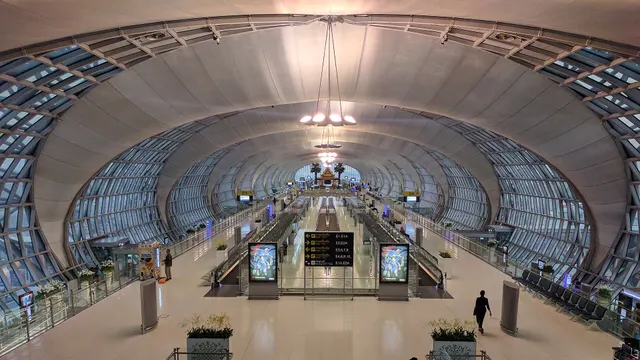
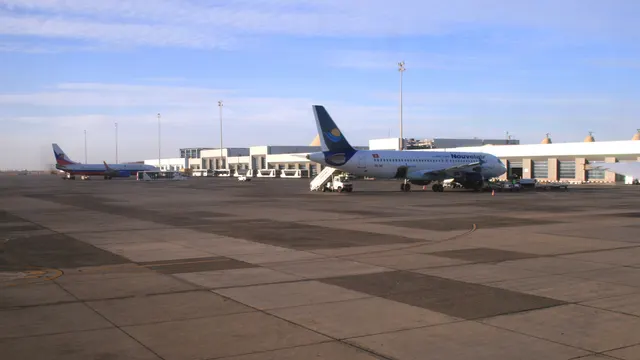
The main airports for tourists that handle international flights are Tbilisi, Kutaisi, and Batumi. Tbilisi is convenient for trips to Kakheti, Mtskheta, Kazbegi, and Borjomi. Kutaisi is often chosen for its budget flights and proximity to Imereti, Svaneti, and the canyons. Batumi is the obvious choice for the sea, Adjara, and a route along the coast.
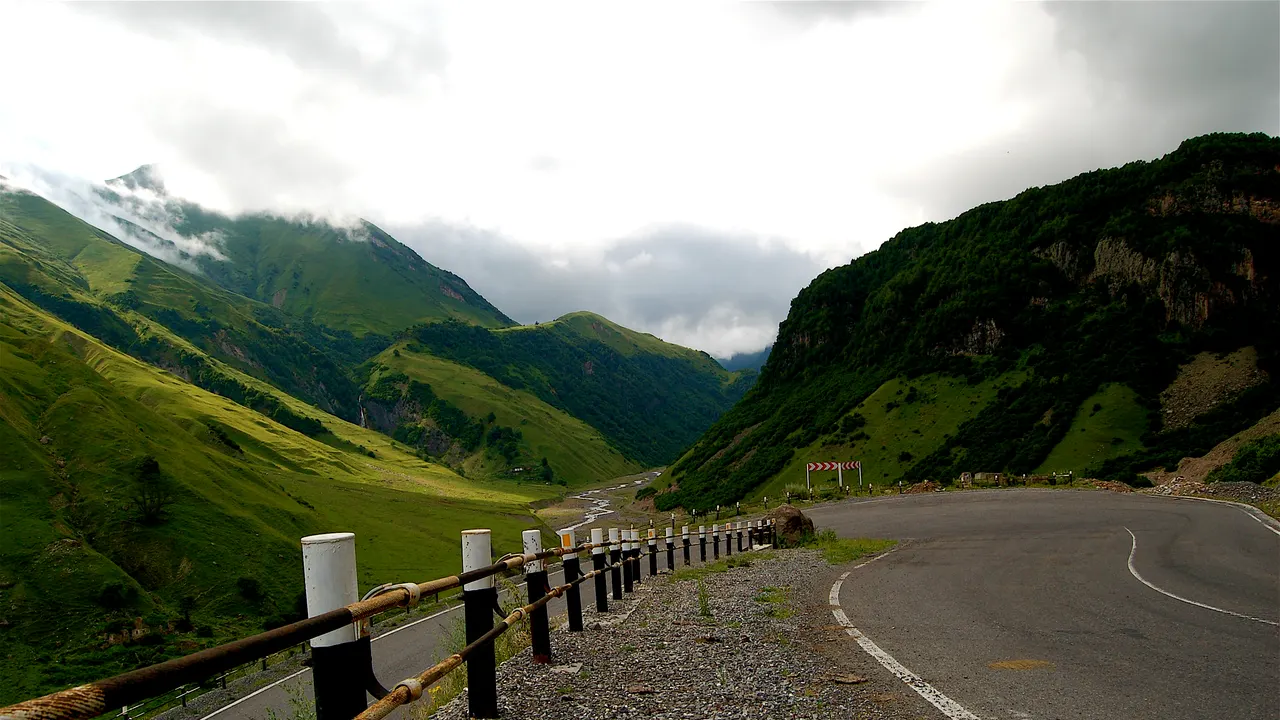
Entering by land from Russia almost always means the Upper Lars checkpoint on the Russian side and Dariali on the Georgian side. There are effectively no other crossings on the Russian-Georgian border open to tourists, so all land routes converge here. The checkpoint is on the Georgian Military Highway, on the way from Vladikavkaz to Stepantsminda and on to Tbilisi.
Upper Lars is a beautiful but temperamental route. In winter and the off-season, the road can be closed because of snow, avalanche risk, or rockfalls. In summer there are lines too: tourists, trucks, buses, and family cars all travel through. Before setting off, check road conditions, drivers' chats, and official announcements from the emergency services or road authorities.
You usually cannot cross the border on foot: Upper Lars is a vehicle checkpoint, and under border guard rules you cross by vehicle. You will need a car, bus, taxi, or transfer. If you do not have your own car, the standard route is to get to Vladikavkaz and then take a transfer or minibus to Tbilisi. Travel time depends heavily on the line: without traffic the trip takes a few hours, but on peak days the wait at the border can stretch for many hours.
Another option is to go through Armenia. For example, fly to Yerevan, spend a couple of days there, and then head to Tbilisi by bus, train, or car. If you are planning a route like this, see the page for Armenia: its entry rules and documents differ from Georgia's. For Georgia itself, it is handy to keep current travel information on the Georgia page.
| Route | Pros | Cons | What to check before you go |
|---|---|---|---|
| Direct flight Russia to Georgia | Fast, fewer connections, convenient with children | Prices and schedules can change | The schedule on the airline's website, baggage, arrival airport |
| Flight with a connection | More choice of dates and cities | Longer, risk of missing the connection | Transit rules, whether it is a single ticket, whether you need to change airports |
| Upper Lars by car | Flexible route, you can take more luggage | Lines, weather, mountain road | Whether the checkpoint is open, road conditions, car insurance |
| Via Armenia | You can combine two countries | Longer route, more borders | Entry rules for both countries, transport between them |
What they ask at the border and who should prepare more carefully
For most tourists, the check goes quickly: passport, sometimes a couple of questions, a stamp, and you are on your way. But questions at the border are normal. A border guard may ask about the purpose of your trip, length of stay, accommodation address, route, profession, return ticket, or further plans.
It is best to answer briefly and calmly. If you are traveling as a tourist, say so: tourism, Tbilisi for 5 days, then Kazbegi, then leaving via Kutaisi airport. If you are visiting friends, give the city and address. If you have no hotel booking, prepare at least your first address: an apartment, a guesthouse, or a friend's place.
Documents worth having on hand:
- international passport;
- hotel booking or accommodation address;
- return ticket or a rough exit plan, if you have one;
- medical insurance (mandatory since 2026);
- car documents, if you are driving your own vehicle;
- your child's birth certificate;
- proof of funds for the trip, such as a banking app or cash.
Pay special attention to trips to Abkhazia and South Ossetia. Under Georgian law, foreigners may enter these regions only from Georgian territory, and entering from the Russian side is considered a violation punishable by a fine or more serious liability. If your passport has marks, documents, or other traces of such a trip, you may face questions and problems when entering. Before a route through the Caucasus, check this point separately, especially if you have been to the region before.
Border guards may look more closely at travelers without a clear route, with a lot of luggage, with frequent long stays and exits, with work equipment, or with documents that raise questions. This does not mean you will be turned away. Just prepare an explanation: where you will live, what you will do, and when you plan to leave.
For navigating Tbilisi, calling Bolt or Yandex Go, translating menus, and contacting your host, it is worth sorting out mobile data in advance: you can get a travel eSIM for Georgia, and if you are not sure about your phone, check your model with the guide how to check eSIM support. Before departure, go through your phone settings with the checklist how to avoid roaming charges abroad.
Money, medicines, electronics, and personal items
It is best to bring money in several forms. Russian bank cards, including Visa and Mastercard issued in Russia, usually do not work in Georgia. That is why tourists often bring cash dollars or euros and exchange them for lari on arrival.
Be sure to check the amounts before the trip. At the time of publication, you cannot take more than the equivalent of 10,000 dollars in foreign cash out of Russia per person, and the rules on exporting cash changed more than once in 2026, so check the websites of the Central Bank of Russia or the Federal Customs Service. In Georgia, cash of 30,000 lari or more, or the equivalent in foreign currency, must be declared at customs. If you are bringing money for long-term rent, medical treatment, or buying a car, do not rely on advice from messengers: check the rules with customs and keep documents showing where the funds came from.
A tourist's personal belongings usually raise no questions: clothes, a laptop, a camera, a phone, chargers. If you are carrying lots of identical boxed electronics, new expensive gadgets, professional equipment, or goods for sale, it may start to look like a commercial import. Goods beyond personal use are subject to value and weight limits, and above them you will have to pay duty.
With alcohol, cigarettes, and food, do not guess either. You can bring in a limited amount of alcohol and tobacco for personal use duty-free, for example up to 200 cigarettes, if you are 18 or older. Alcohol limits differ between sources, so check them on the website of the Georgian Revenue Service, rs.ge; in practice, a lot depends on the quantity and packaging. A few bottles of wine as gifts is one thing. A trunk full of alcohol, and you should expect questions.
With medicines, the main principle is simple: bring only a personal supply, in packaging with the leaflets. Prescription drugs are best carried with a prescription or a doctor's note. Potent, psychotropic, and narcotic substances are strictly controlled in Georgia: some are banned, others require documents. This applies especially to painkillers, sleeping pills, ADHD medications, antidepressants, and medicines containing codeine. Before the trip, check the ingredients against the current list.
If you are bringing a drone, a two-way radio, hunting gear, knives, pepper spray, or other questionable items, check the rules separately. Drone flights in Georgia are regulated by the Civil Aviation Agency, there are no-fly zones near airports, the border, and military sites, and the registration requirements for tourists are described differently in different sources. It is easier to leave anything doubtful at home than to explain yourself at the border.
A short checklist before your trip
A week before departure, check not only your tickets and hotel but also the little things that often spoil the start of a trip. Georgia uses European sockets: types C and F, 220 V. If your devices have British, American, or Chinese plugs, bring an adapter. For other countries, it is handy to check the guide which plug adapter you need abroad.
Before driving through Upper Lars, fill up the tank before the mountain section, and check your brakes, tires, water supply, warm clothes, and food. In the mountains the weather changes quickly, and the line at the checkpoint rarely adapts to your plans. If you are traveling in winter, do not set off without up-to-date road information.
Minimum kit before entry:
- an international passport with extra validity;
- tickets or a trip itinerary;
- the address of your first accommodation;
- medical insurance for the entire trip;
- a reasonable amount of cash;
- a bank card from a non-Russian bank, if you have one;
- prescriptions for important medicines;
- documents for your child;
- car documents and a power of attorney if the car is not yours;
- a check of the rules on money, medicines, alcohol, and electronics.
The main tip: do not try to cross the border with a vague cover story. If the trip is a tourist one, your route should look like a tourist route. If you are staying long term, honestly prepare an explanation of where you will live and what funds you will live on. Georgia is a hospitable country, but a border is still a border.
Frequently asked questions
Can Russian citizens enter Georgia without a visa in 2026?
Yes. Russian citizens can enter Georgia visa-free for up to 365 consecutive days. Still, check the current rules before your trip, especially if you plan a long stay or cross the border often.
Do I need an international passport, or will an internal Russian passport do?
You need an international passport; the internal Russian passport is not accepted. This rule applies both to flights and to the land route through Upper Lars.
Do I need insurance to enter Georgia?
Yes. Since January 1, 2026, tourists must have insurance against illness and accidents for the entire trip, with a coverage limit of at least 30,000 lari according to available information. You may be asked to show the policy at the border, and you may be refused entry without it.
Can I cross into Georgia through Upper Lars on foot?
Usually not: it is a vehicle checkpoint, and you cross the border by vehicle. Plan for a car, bus, transfer, or taxi from Vladikavkaz, and before setting off, check whether the checkpoint is open and whether there are lines.