 Русский
 Հայերեն
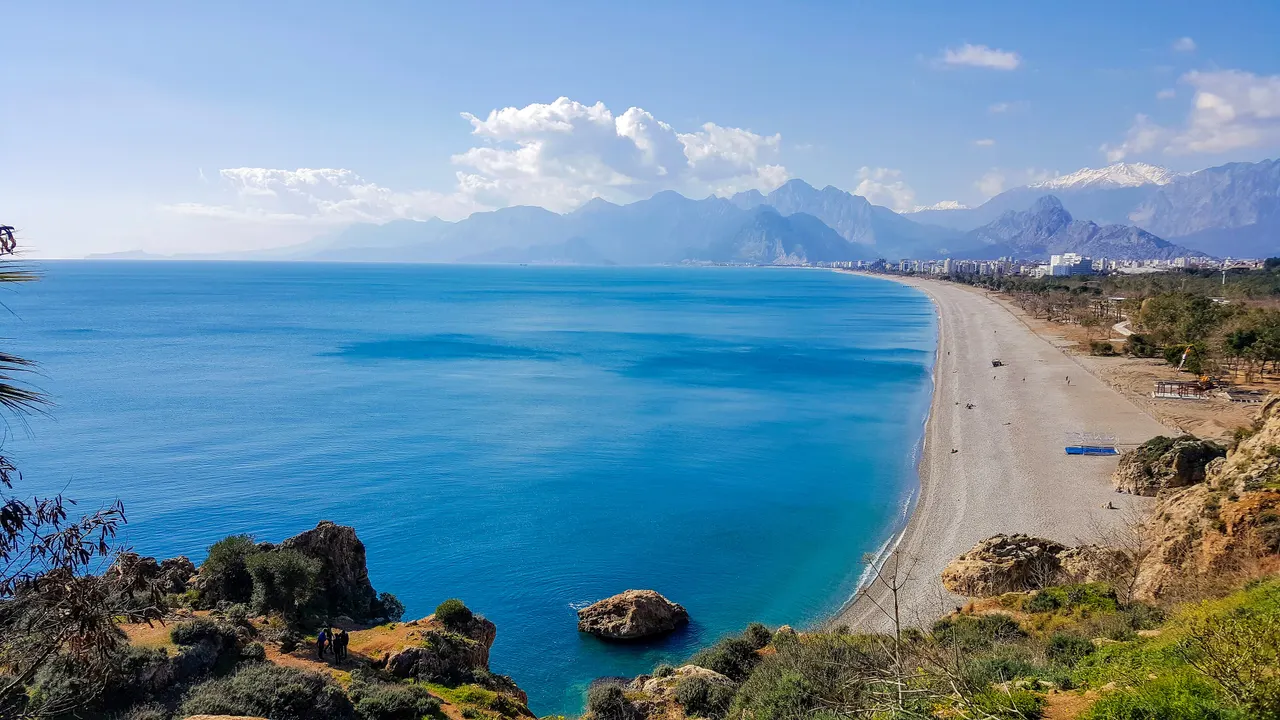
Turkey seems simple: the sea in summer, Istanbul in winter, tulips in spring. In practice the country is big, and the weather in Antalya, Istanbul, and Cappadocia in the same month can feel like three different trips. On the Mediterranean coast people are already swimming, in Istanbul the wind blows in off the Bosphorus, and in Cappadocia you have to dig out a down jacket in the morning.
Below is a month-by-month guide without false precision. These are typical long-term averages, not a forecast for a specific date: before buying tickets, still check the weather a week ahead in Meteoblue, Windy, or a regular weather app.
Antalya by month: sea, heat, and rain
Antalya and the nearby resorts of Lara, Kemer, Belek, Side, and Alanya follow a Mediterranean rhythm: a mild, rainy winter, a short spring, a long dry summer, and a warm fall. If the beach is your main goal, look not only at the air temperature but also at the water: in May it is already warm enough to sunbathe, but not everyone likes the sea yet.
The table shows average daytime highs and the number of rainy days based on the Turkish State Meteorological Service (MGM) normals for 1991–2020 for Antalya; sea temperature is the monthly average. In any given year the figures can differ noticeably.
| Month | Daytime air | Sea | Rain |
|---|---|---|---|
| January | about +15 °C | about +18 °C | frequent, about 11–12 rainy days |
| February | about +16 °C | about +17 °C | frequent, about 10 days |
| March | about +18 °C | about +17 °C | moderate, about 8 days |
| April | about +22 °C | about +18 °C | less often, about 6 days |
| May | about +26 °C | about +21 °C | little, about 5 days |
| June | about +32 °C | about +25 °C | rare, about 2 days |
| July | about +35 °C | about +28 °C | almost dry |
| August | about +35 °C | about +29 °C | almost dry |
| September | about +32 °C | about +27 °C | rare, about 2 days |
| October | about +27 °C | about +25 °C | downpours possible, about 5 days |
| November | about +22 °C | about +21 °C | more rain, about 7 days |
| December | about +17 °C | about +19 °C | frequent, about 10 days, one of the rainiest months |
The most reliable period for the sea is June through October. May is good for those who do not mind cool water and want to explore without exhausting heat. November can be pleasant for seaside walks, but a beach vacation is already a gamble: you may get sunshine, or you may get several days of heavy rain.
July and August are the months for those who love the heat and a hotel routine: sea, pool, air conditioning, and short outings in the evening. For ancient cities like Perge, Aspendos, Termessos, and Side, this is a tough time: the average daytime high is around +35 °C, and on hot days it can be noticeably higher; there is little shade, and the stones heat up quickly. If you are traveling with children or elderly relatives, it is better to look at June, September, or the first half of October.
High, low, and shoulder season: when it is more comfortable and cheaper
High season on the Turkish Mediterranean usually falls in June, July, August, and early September. During this time there are more charter flights, and beach clubs, water parks, and seasonal restaurants are open, but hotel and flight prices are more often higher. On top of that, popular spots like Kaleici, the old town in Antalya, Goynuk Canyon, and Cleopatra Beach in Alanya get noticeably more crowded.
The shoulder season, often called the velvet season, is September and October. The sea is warm after the summer, the evenings are easier to breathe in, and excursions are easier to handle. September feels more like summer, while October is already a mild fall: at the start of the month you can usually swim, and toward the end downpours and cool evenings come more often.
Low season is November through March, if we are talking about beach resorts. That does not mean you cannot go. The format just changes: spa hotels, walks along the promenades, renting a car, trips to the Duden and Kursunlu waterfalls, ancient cities, and markets. It is more often cheaper at the end of November, in January after the holidays, and in February and March, but it all depends on flights, school vacations, and the specific hotel.
For an independent trip, a simple logic helps. If you want the beach with minimal risk, go in June or September. If you want warmer sea and fewer children than in August, go in the second half of September. If you want to explore, visit ruins, and not pay summer prices, go in April, May, October, or November. If you want to go really cheap and are ready for rain, go in winter.
It is better to set up your connection before you fly: for maps, BiTaksi taxis, a translator, and contact with your guide, it is convenient to get a travel eSIM for Turkey in advance, and the options are covered in detail in the article Internet in Turkey for Tourists.
Istanbul by month: when to explore the city
Istanbul sits between seas and hills, so the weather here is more fickle than at the resorts. In a single day you can get sunshine at Hagia Sophia, wind on the Galata Bridge, and rain in Kadikoy. For a first trip, it is easier to pick months when it is neither too hot nor too wet.
Below are average daytime highs based on MGM normals for 1991–2020 (the Kirecburnu station on the Bosphorus), grouped by season.
| Period | Daytime | What to expect | Who it suits |
|---|---|---|---|
| December-February | +9…+11 °C | Wind, rain, sometimes sleet | Museums, hammams, cafés, short walks |
| March-April | +12…+16 °C | Changeable spring, parks in bloom | Walking routes, photos, a first trip |
| May-June | +21…+26 °C | Lots of sun, not yet peak heat | The best balance for walking |
| July-August | about +28 °C, higher in a heat wave | Hot, crowded, stuffy on public transport | Those who do not mind the heat |
| September-October | +20…+25 °C | Warm fall, lovely evenings by the water | One of the most comfortable periods |
| November | about +15 °C | More rain, fewer tourists | Budget city weekends |
For Istanbul, I would pick April-May or September-October. The city is beautiful in summer too, but long routes through Sultanahmet, the Grand Bazaar, Balat, and along the waterfront tire you out faster. The upside of winter is shorter lines at popular sights, and a hotel in a good neighborhood may cost less, but you will need waterproof shoes and a windproof jacket.
If it is your first trip, take a look at the ready-made itinerary Istanbul in 3 Days: it is easy to adapt to the season. In the heat, move palaces and mosques to the morning and spend the middle of the day in museums and cafés. In the rain, keep a backup plan handy: the Archaeological Museums, Dolmabahce Palace, the Basilica Cistern, a hammam, or a ferry ride if the wind is not too strong.
Cappadocia: weather, balloons, and the best season
Cappadocia is not beach Turkey. The region sits higher up, the air is drier, and the swings between day and night are bigger. In Goreme, Uchisar, Avanos, and Urgup, the morning can be cold even when you are walking around in a T-shirt during the day.
Hot-air balloons in Cappadocia fly year-round, but only when the wind and visibility are right: every morning Turkey's Directorate General of Civil Aviation (SHGM) issues the permit to fly, and if it bans flights, every company stays on the ground. In winter, flights are canceled more often because of wind, fog, and snow. So a flight cannot be guaranteed even in the best month. If a balloon ride is the dream of your trip, plan at least 2 nights, and preferably 3, so you have a buffer for a cancellation.
The temperatures below are averages based on MGM normals for 1991–2020 for the Nevsehir station, which is at about the same altitude as Goreme and Uchisar.
| Period | Daytime weather | Nights | Chances of a comfortable trip |
|---|---|---|---|
| December-February | +4…+6 °C | below zero, about −1…−4 °C | Beautiful with snow, but cold; balloon cancellations due to weather are more likely |
| March-April | +11…+16 °C | about +1…+5 °C | Good for the valleys, you need layers |
| May-June | +21…+26 °C | about +9…+12 °C | One of the most convenient periods for hikes and balloons |
| July-August | about +29 °C, higher in a heat wave | about +15 °C | Dry and hot, best to walk early in the morning |
| September-October | +19…+25 °C | about +7…+11 °C | A very good season for routes and sunrises |
| November | about +12 °C | about +2 °C, frosts happen | Fewer people, but the weather is less stable |
The best months for Cappadocia are May, June, September, and October. In spring the valleys are greener; in fall there is soft light and comfortable temperatures for routes through the Red, Rose, and Pigeon valleys. In summer, take more water and start your walks at dawn. In winter Cappadocia is atmospheric, especially if it has snowed, but you need warm shoes, a hat, and patience for activities being rescheduled.
For a trip to Cappadocia, do not go only by the daytime temperature. The morning trip to a viewpoint to watch the balloons often starts before dawn, and it feels much colder than the forecast suggests. Even in May and September, a fleece or a light jacket will come in handy.
How to choose a month for your type of trip
If you want a classic Mediterranean beach vacation, choose Antalya, Belek, Side, Kemer, or Alanya in June, September, or early October. July and August only if you handle intense heat well and plan to spend most of the day by the water.
If you want to combine the sea with excursions, look at May-June or September-October. In these months it is easier to visit ancient cities, walk through canyons, rent a car for a day, and not hide from the sun every half hour. For families with small children, September is often more comfortable than June: the sea is already warm, and the daytime heat gradually eases.
If Istanbul is your goal, choose spring or fall. April and May are good for parks, waterfronts, and walking routes. September and October are for ferries, the Karakoy, Balat, Kadikoy, and Uskudar neighborhoods, and long dinners by the water. You can go in winter too, but keep your itinerary shorter and have indoor places in reserve.
If you dream of Cappadocia, build in extra days. Coming for one night just for the balloon is risky: a cancellation due to wind will ruin the whole plan. A good option is 3 days and 2 nights in Goreme or Uchisar, with one sunrise for the flight and a second one at a viewpoint.
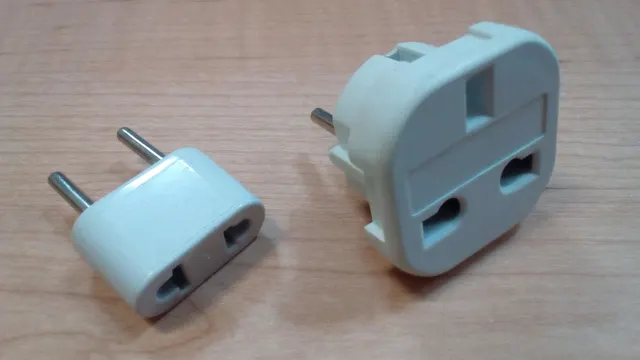
Packing differs across Turkey too. On the coast in summer you need sandals, a hat, and light clothes; in Istanbul in spring, a windbreaker; in Cappadocia, an extra layer for the morning almost always comes in handy. Before you fly, check your chargers and adapters: there is a separate cheat sheet on outlets, which adapter you need abroad.
Frequently asked questions
When is the best time to go to Turkey for the beach?
For a beach vacation on the Antalya coast, the most reliable period is June through September, and for milder weather, September and early October. In May you can already sunbathe, but the sea often feels cool.
When is it cheaper to vacation in Turkey?
At the beach resorts, lower prices are more common from November through March, apart from holidays and school vacations. A good compromise between weather and budget is April, May, October, and November, but the sea in these months does not suit everyone.
When is the best time to go to Istanbul?
For a first trip, April-May or September-October is more convenient. Summer is hot and crowded, winter is windy and rainy, but there are fewer tourists and it is easier to find a hotel in the center at a reasonable price.
In which months do the balloons fly in Cappadocia?
Balloons in Cappadocia fly year-round, but launches depend on wind, precipitation, and visibility, and cancellations happen more often in winter. The most comfortable months for the trip itself are May, June, September, and October; it is best to leave a buffer of at least a few sunrises.